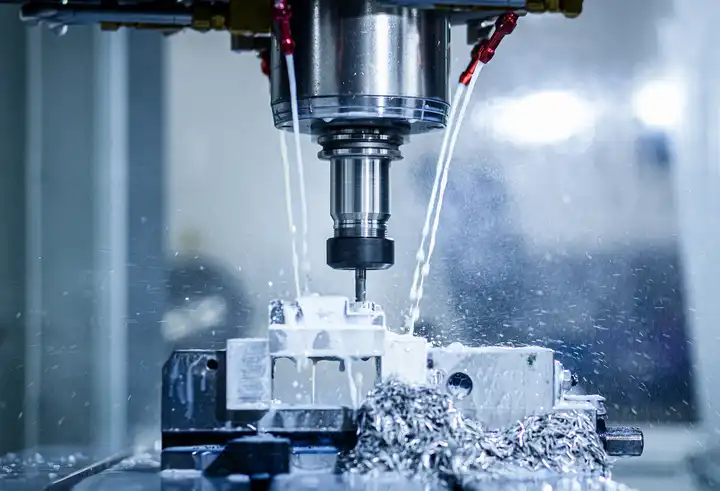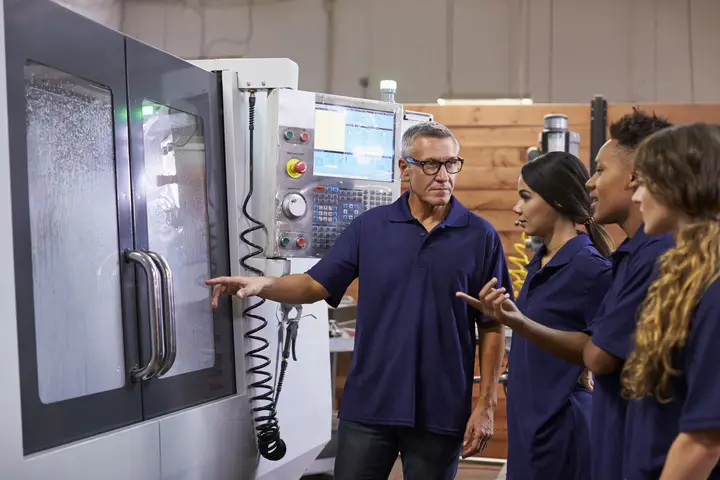
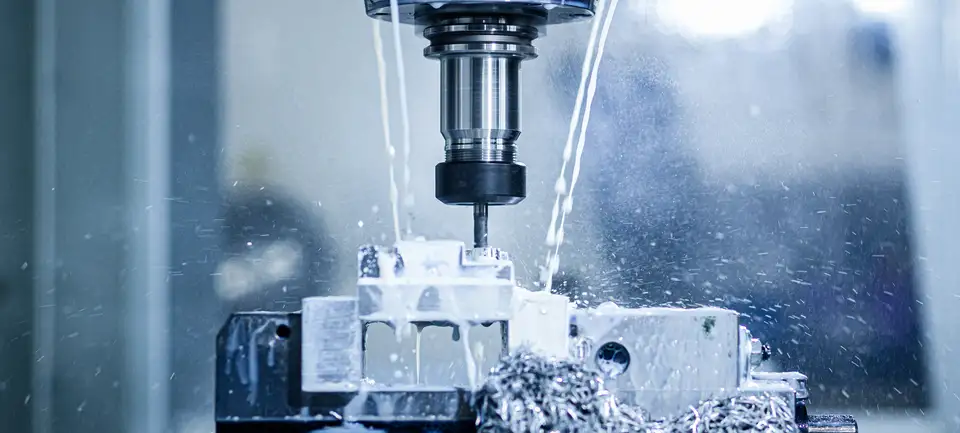
Manufacturing continues to play a major role in Canada’s economy, and CNC machining is one of the most important skills behind modern production. From aerospace and automotive parts to medical devices and industrial equipment, CNC machining helps create the precision components that many industries depend on every day. Seeb Academy’s CNC Machining Technology program is designed to prepare students for this hands-on, high-demand field with practical training that reflects real workplace needs.
International business professionals contribute to market expansion, trade coordination, supply chain management, and global marketing strategies. This program provides students with the foundational knowledge and practical skills required to support international business operations.
What Is CNC Machining?
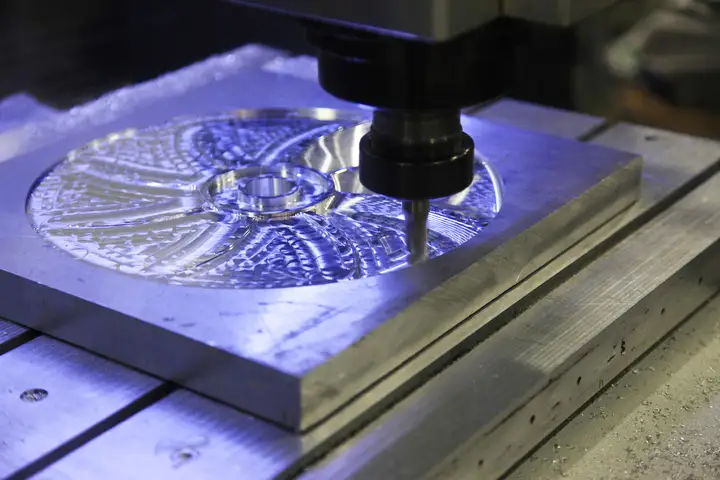
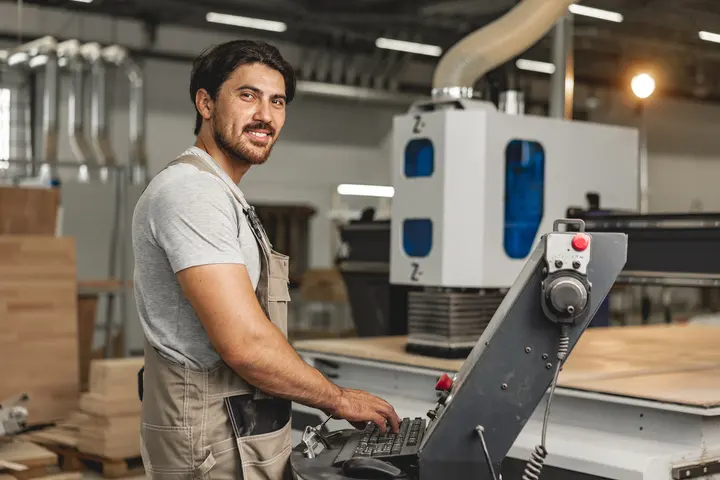
CNC stands for Computer Numerical Control. In simple terms, CNC machines are advanced tools that use programmed instructions to cut, shape, and produce precise parts. These machines are widely used in modern manufacturing because they improve accuracy, consistency, and efficiency. Students entering this field learn how machines operate, how to follow technical drawings, and how to make sure finished parts meet exact specifications.
Why CNC Skills Matter
CNC machinists are essential in industries that require precision and reliability. Manufacturers need skilled workers who can operate equipment, prepare materials, monitor production, and maintain quality standards. As industrial development and automation continue to grow, employers are looking for people with practical machining knowledge and strong technical skills. The field also benefits from the retirement of experienced tradespeople, which is creating more opportunities for new workers entering the industry.
What Students Learn at Seeb Academy
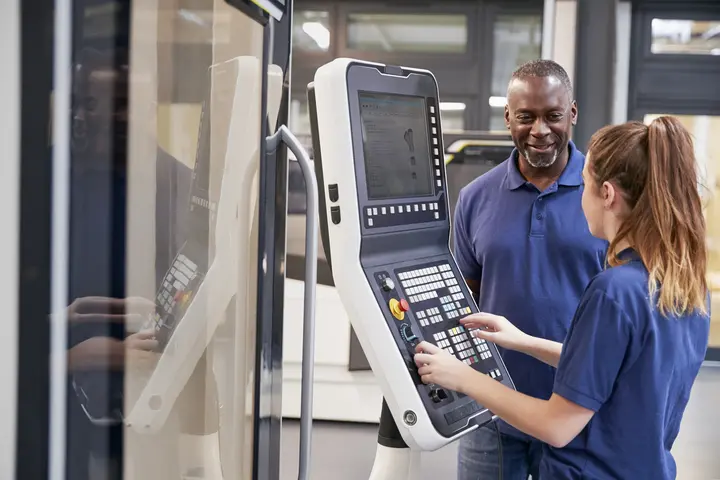
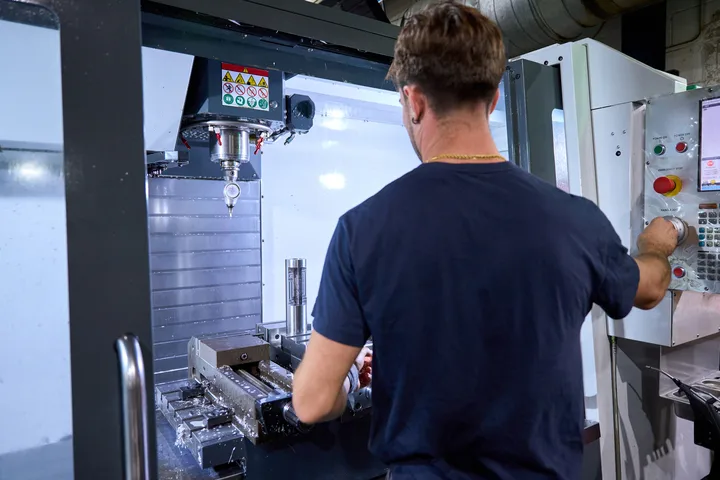
The CNC Machining Technology program at Seeb Academy combines classroom learning with practical training. Students are introduced to core areas such as blueprint reading, technical drawings, CNC machine setup and operation, G-code programming fundamentals, tool selection, machining techniques, precision measurement, quality control, workplace safety, and industry standards. This combination helps students build confidence and develop job-ready skills for real manufacturing environments.
Career Opportunities After Graduation
Graduates of the program can pursue entry-level roles such as CNC Machine Operator, CNC Setup Technician, Production Machinist, Manufacturing Assistant, Quality Control Technician, Machine Shop Assistant, and Junior CNC Programmer. These positions provide a strong starting point for individuals who want a practical and stable career in advanced manufacturing.
With experience, CNC professionals can move into more specialized and higher-level roles such as CNC Programmer, Tool and Die Maker, Process Technician, Manufacturing Supervisor, and Production Planner. This makes CNC machining a career path with room for growth, specialization, and stronger earning potential over time.
Who Is This Career Good For?
CNC machining can be a strong fit for people who enjoy hands-on work, technical problem-solving, and working with precision. It is especially appealing to individuals who want to build practical skills and enter a stable, well-paying skilled trade. For students who prefer applied learning and want to see the direct results of their work, CNC machining offers a clear and rewarding path.