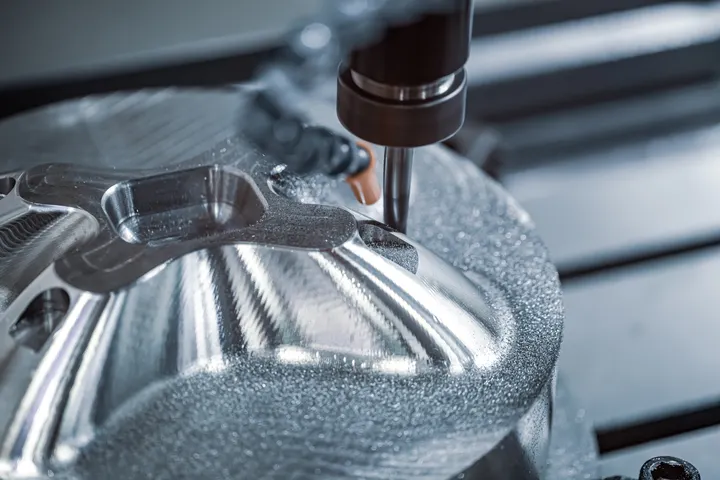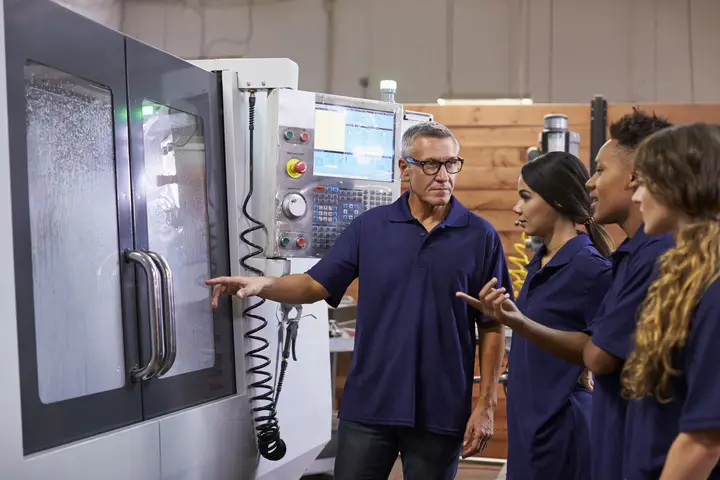
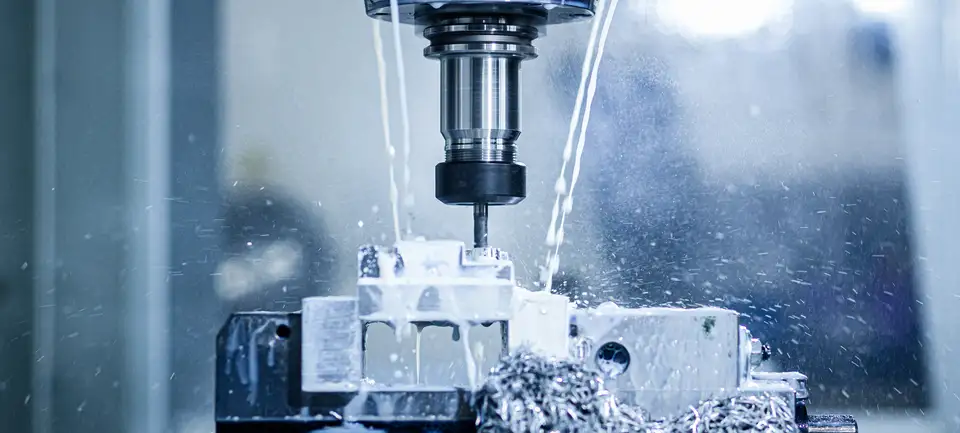
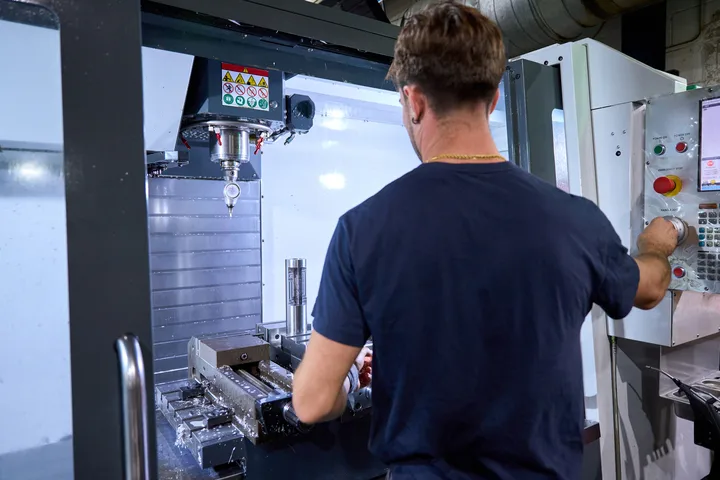
The CNC Machining Technology program at Seeb Academy is designed to prepare students for a hands-on, high-demand career in advanced manufacturing. Computer Numerical Control (CNC) machines are a critical part of modern production, used to create precision components for industries such as aerospace, automotive, medical devices, energy, and industrial equipment.
This program provides students with the technical knowledge and practical skills required to operate, set up, and program CNC machines. Students learn how to interpret engineering drawings, select appropriate cutting tools, and use measuring instruments to ensure accuracy and quality. The curriculum combines classroom instruction with practical training, allowing students to gain real-world experience with industry-relevant equipment and processes.
Key Topics
Throughout the program, students are introduced to key topics including:
- Blueprint reading and technical drawings
- CNC machine setup and operation
- G-code programming fundamentals
- Tool selection and machining techniques
- Precision measurement and quality control
- Workplace safety and industry standards
Career Opportunities
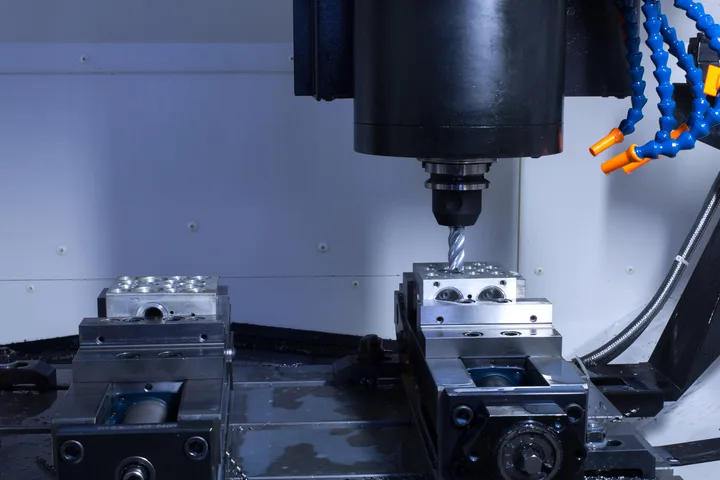
Graduates of the CNC Machining Technology program are prepared for entry-level positions in the advanced manufacturing sector, one of the most stable and in-demand industries in Canada. CNC machining plays a critical role in producing precision components used in aerospace, automotive, medical devices, defense, energy, and industrial equipment.
Upon completion of the program, graduates may pursue positions such as:
- CNC Machine Operator
- CNC Setup Technician
- Production Machinist
- Manufacturing Assistant
- Quality Control Technician
- Machine Shop Assistant
- Junior CNC Programmer
Key Topics
With experience, CNC professionals can advance into higher-paying and more specialized roles, including:
- CNC Programmer
- Tool and Die Maker
- Process Technician
- Manufacturing Supervisor
- Production Planner